
Worldwide export supply
Hold the heat.
Hold the heat.
Hold the cold.
SS Insulation supplies 32 insulation, refractory and finishing products — rated from −180 °C cryogenic lines to 2000 °C furnace linings — to EPC contractors, plant owners and distributors abroad.
32Products · 5 ranges
−180 → 2000 °CService range
87Country market pages
Live heat-loss readoutcalculated
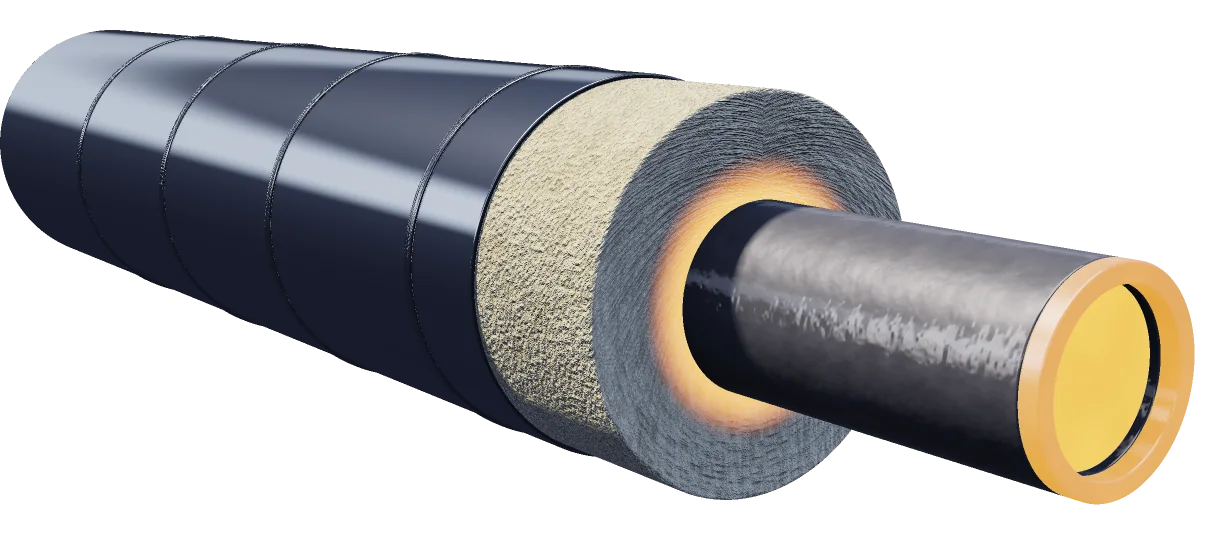
Steam line · NB 150 · 400 °C · 30 °C still air · rockwool + aluminum jacket
60 °CSurface
162 W/mHeat loss
−97.5%vs bare
The range, up close
One supplier from −180 °C to 2000 °C.
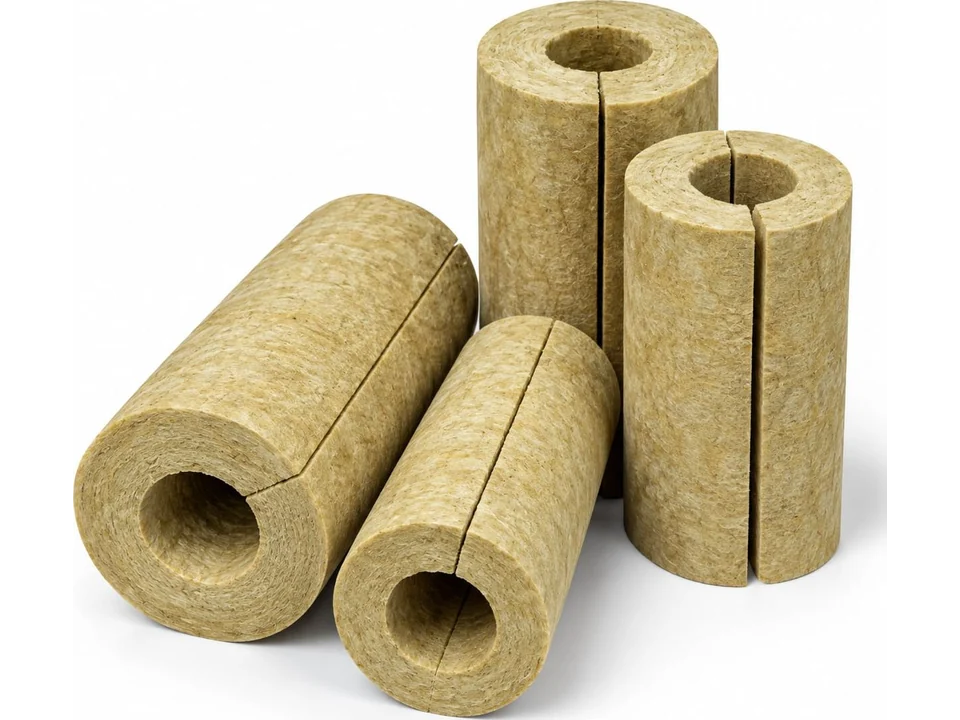
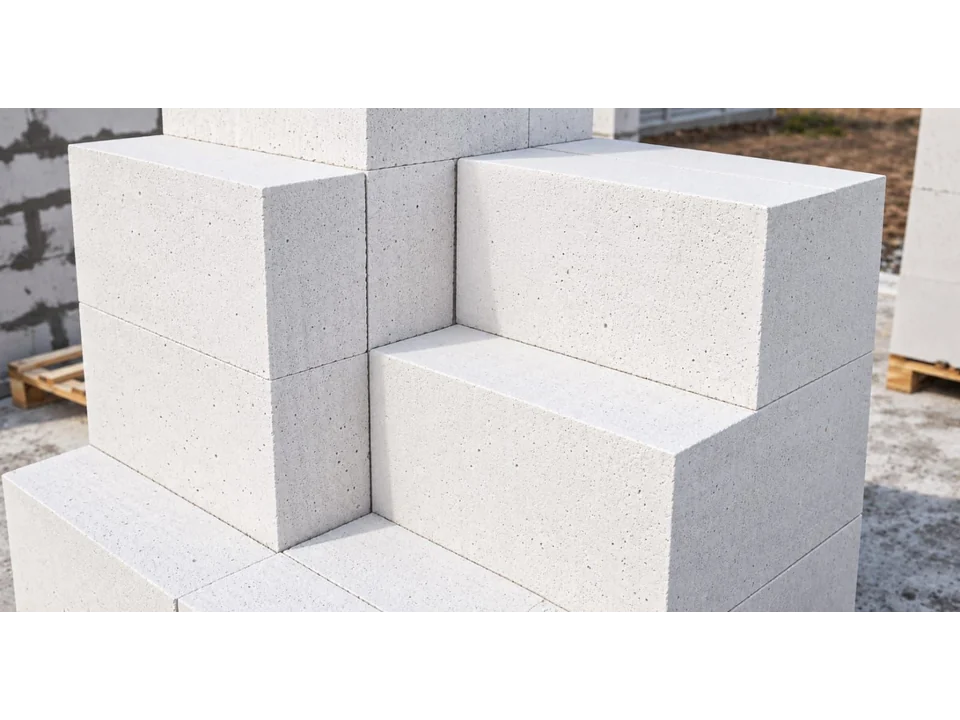
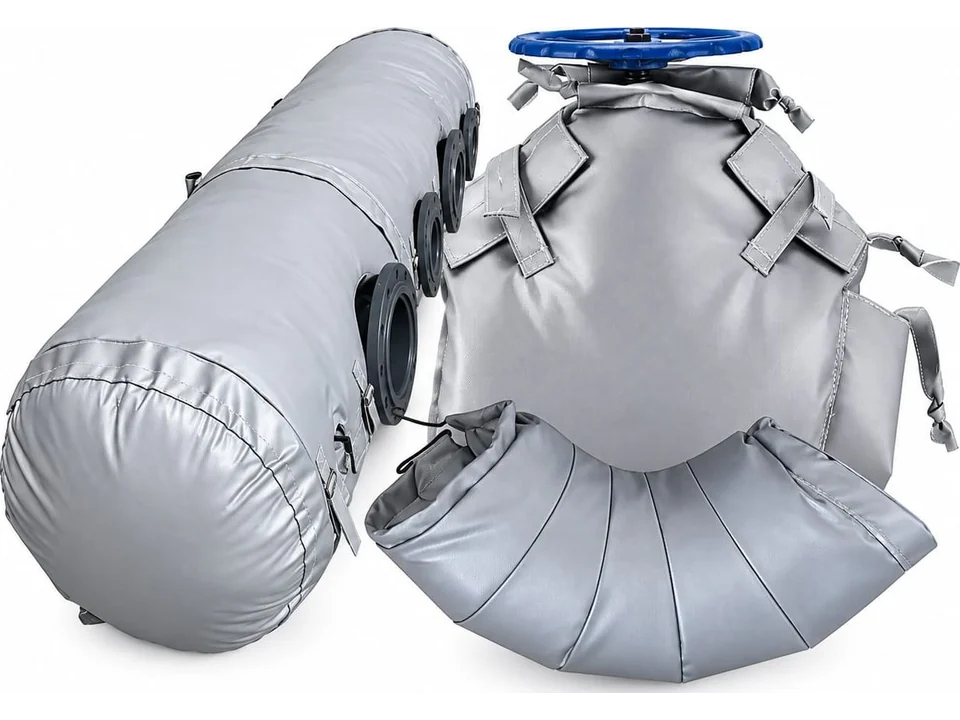
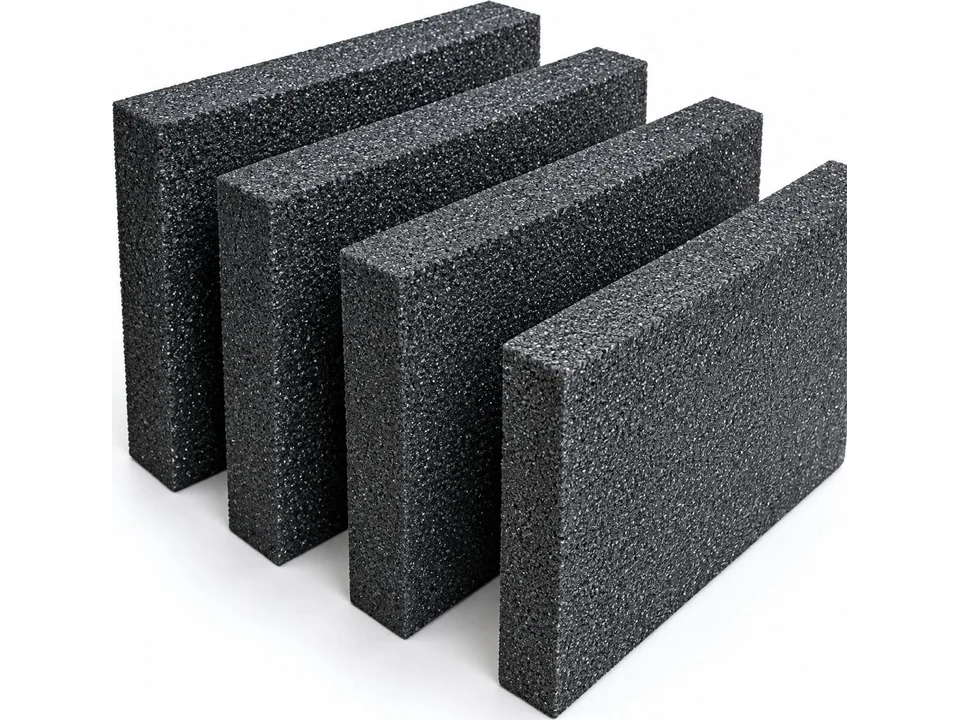
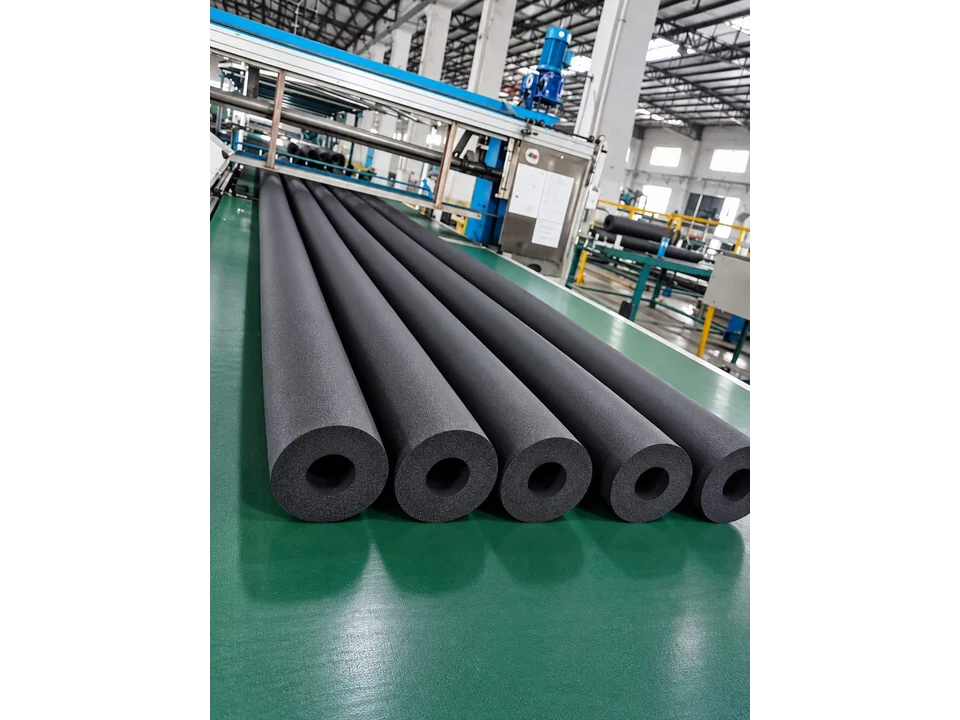
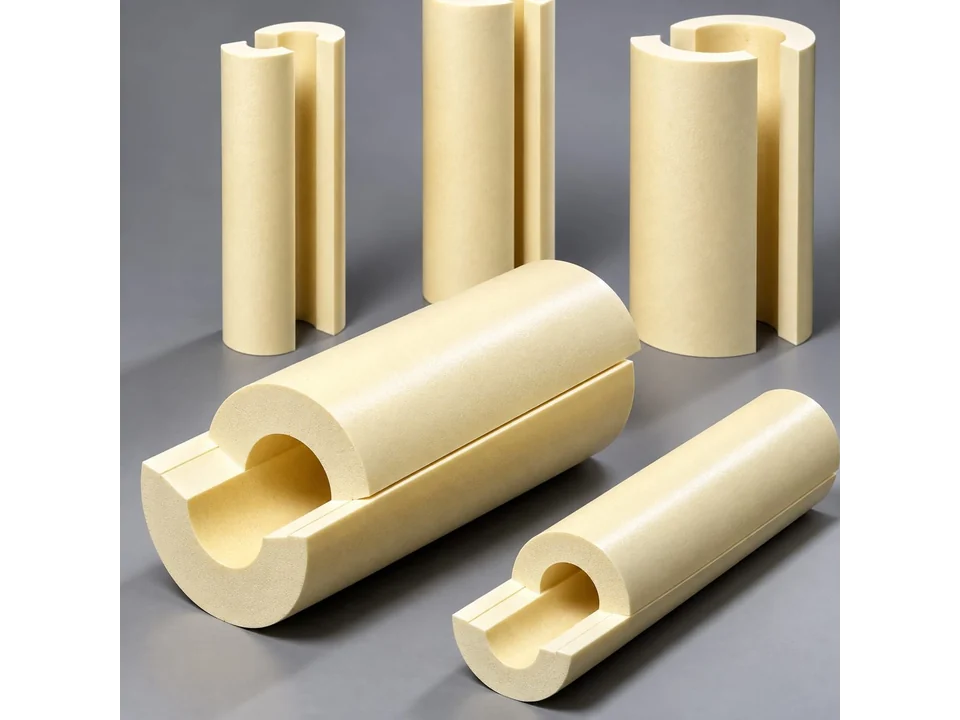
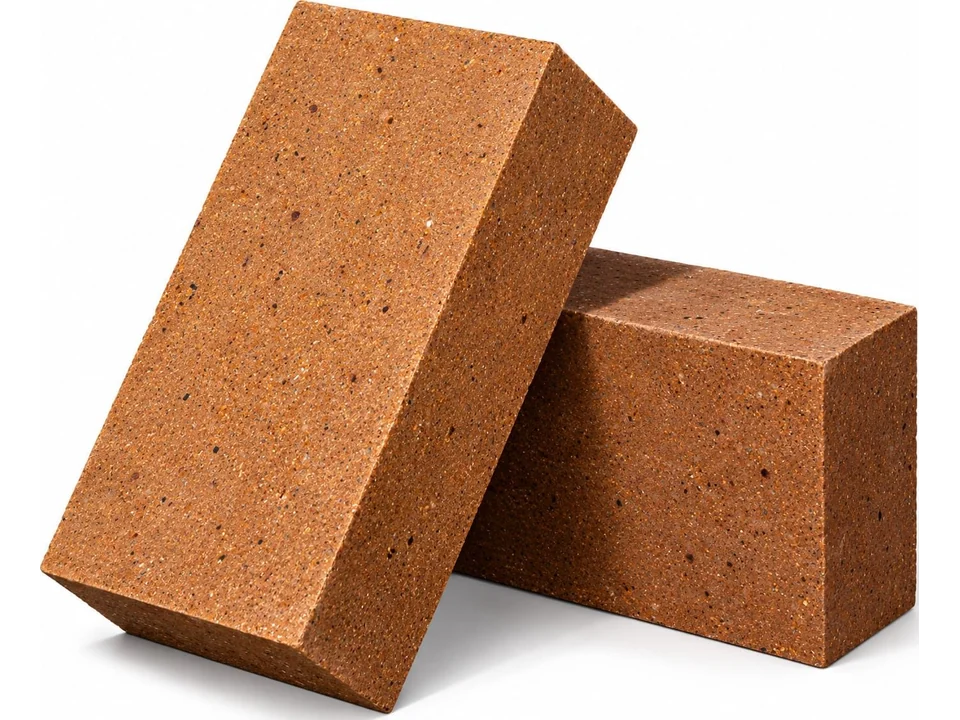
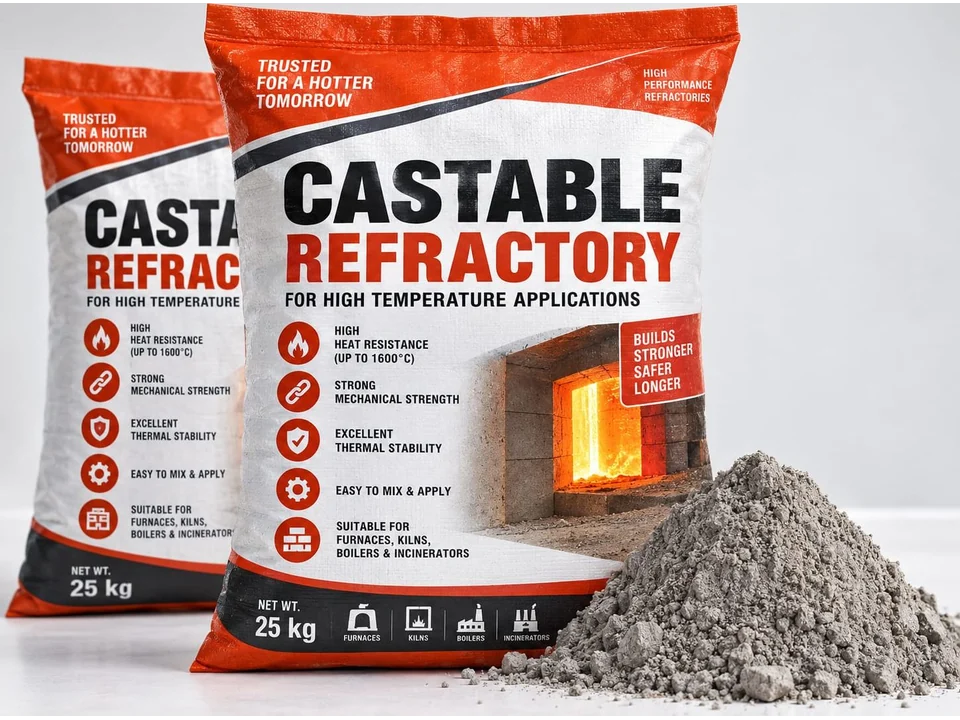
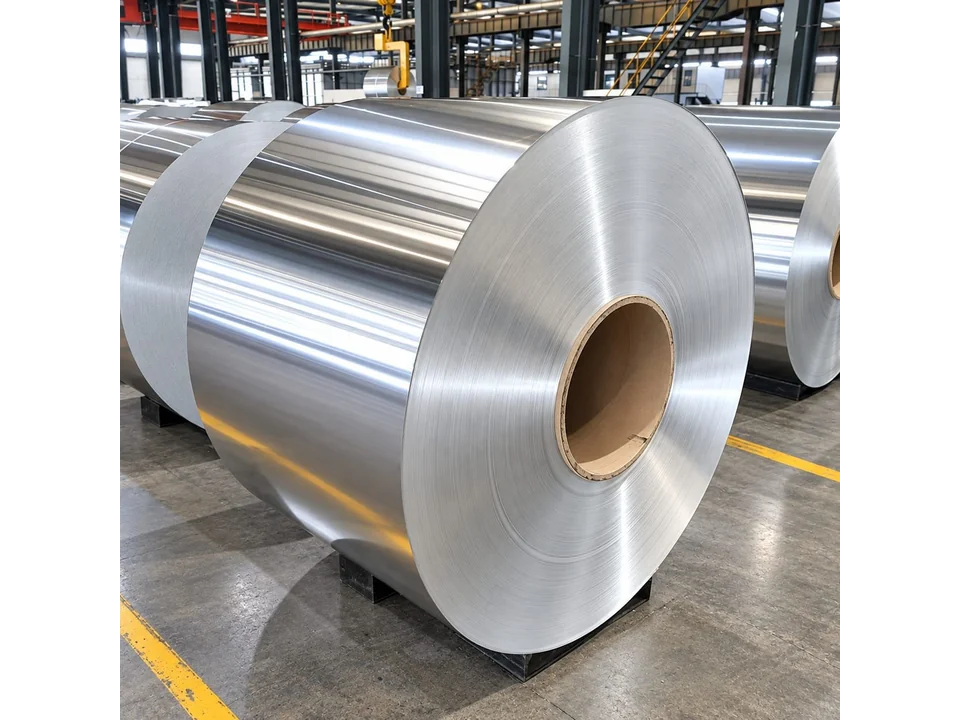
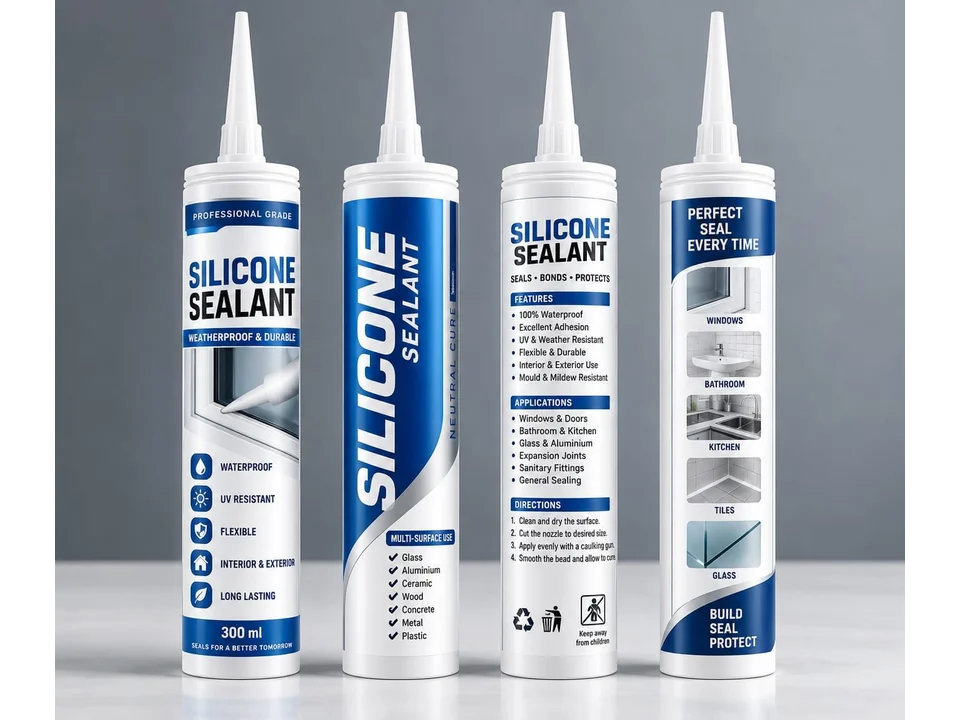
Pipe sections, blocks, blankets, bricks, castables and the cladding that finishes them — photographed as they ship. Pick one to open its datasheet.
Product ranges
Everything the insulation job needs, in one shipment.
Core insulation, the refractory behind it, and the cladding, bands, screws, tapes and sealants that finish it — specified to ASTM, EN, BS, DIN and ISO standards.
Hot Insulation
10 productsRockwool, calcium silicate, ceramic fiber, cellular glass and aerogel for steam lines, boilers, furnaces and process equipment.
−50 °C – 1,400 °C
View range
Refractory & Castables
8 productsFire clay, high alumina, insulating, magnesite and SiC bricks, plus castables, mortar and ramming mass.
0 °C – 2,000 °C
View range
Cold & Cryogenic Insulation
6 productsNitrile rubber, PUF, PIR, XPS/EPS and glass wool for chilled water, HVAC, cold rooms and cryogenic lines.
−180 °C – 230 °C
View range
Cladding & Accessories
3 productsAluminum cladding, GI/SS insulation bands and self-tapping screws to finish and protect every job.
Finishing & fixing
View range
Sealants, Tapes & Adhesives
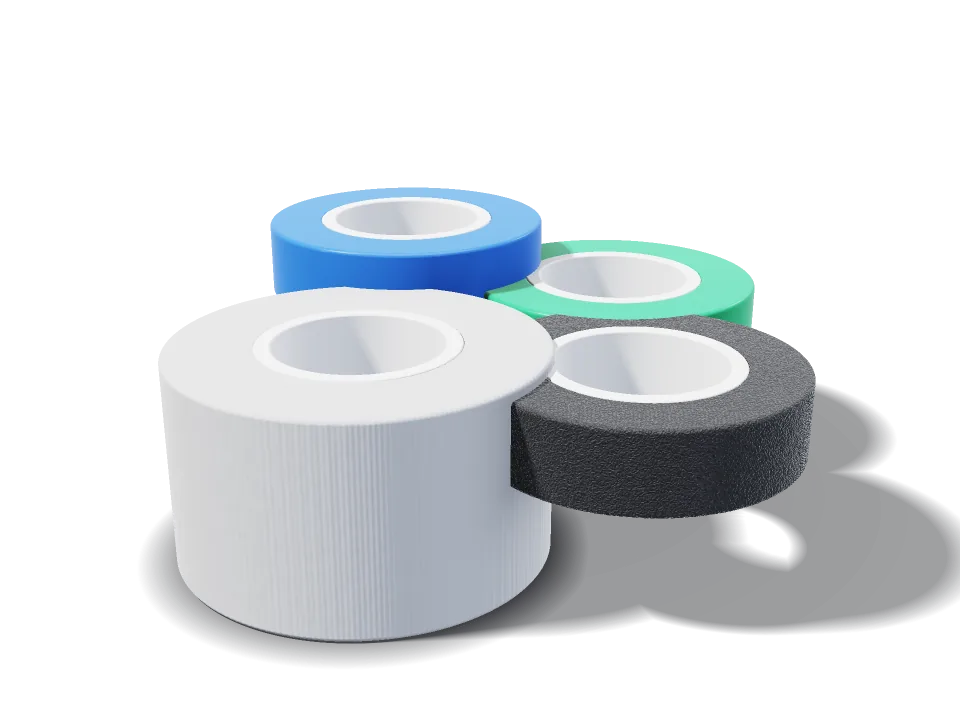
5 productsFoil tape, silicone sealant, contact adhesive, PVC/cloth and butyl mastic tape for sealed, finished joints.
−40 °C – 300 °C
View range
0.013W/m·K — lowest thermal conductivity in the range (Aerogel Blanket)
2,000 °CHighest service temperature (Basic / Magnesite Bricks)
51International standards referenced across the catalogue
<10 ppmChloride content on rockwool and calcium silicate — safe on stainless steel
Engineering tools
Size the order before you send it.
Two quick tools built on standard pipe dimensions and each product’s real sizes — a quantity take-off and a heat-loss check. Every result can be sent straight into a quotation request.
Pipe insulation
Pipe sections, rolls, cladding, bands and screws for any NB and length.
Open calculatorHeat loss & surface temperature
Bare vs insulated heat flow, personnel protection and condensation check.
Open calculatorWhy it matters
Quantities that match the packing list.
Pieces, rolls, sheets, coils and boxes are counted in the units they ship in — so the estimate turns into a quote without rework.
All calculators
Export Desk
Packed for the sea. Documented for customs.
Orders ship from Nhava Sheva (JNPT) and Mumbai, packed for ocean transit and documented with HS-coded invoices and packing lists. Mixed loads of insulation, refractory and accessories travel together.
IncotermsEXW · FCA · FOB · CFR · CIF
Load typesFCL 20′ / 40′ / 40′ HC · LCL
Gateway portsNhava Sheva · Mumbai
DocumentsInvoice · Packing list · CoO · B/L
Markets
Market pages for 87 countries.
Each market page covers the ports we ship to, the industries and standards that shape local specifications, and the full product range with HS codes.
Industries
Specified for the plants that run hottest — and coldest.
From refinery steam tracing to cold-chain warehouses, each sector gets the materials its temperatures and codes call for.
Oil, gas & refineries
Steam tracing, process lines, storage tanks and flare systems — insulation that holds its value outdoors and at temperature.
Power plants & boilers
Boiler casings, flue ducts, turbines and steam headers need non-combustible, high-temperature insulation.
Petrochemical & chemical
Low-chloride, stainless-safe insulation for reactors, columns and process piping where corrosion under insulation is a concern.
Steel & metals
Reheating furnaces, ladles and EAF/BOF linings demand refractory that resists slag, abrasion and thermal shock.
Cement & lime
Rotary kilns, preheaters and coolers — basic bricks, castables and backup insulation to keep shell temperatures down.
Glass, ceramics & kilns
Kiln cars, crowns and furnace walls lined with fiber blankets, insulating fire bricks and SiC shapes.
HVAC & buildings
Chilled water, refrigerant lines and AC ducting — closed-cell nitrile and glass wool with sealed, vapour-tight joints.
Cold chain & food processing
Cold rooms, blast freezers and process chillers insulated with PIR, PUF and XPS boards.
Standards
Written against the standards your engineer specifies.
Product data references these standards. Ask for the manufacturer’s test certificate with your order.
ASTM C27ASTM C155ASTM C199ASTM B209ASTM A240ASTM C401ASTM C455ASTM C533ASTM C534ASTM C547ASTM C552ASTM C553ASTM C578ASTM C591ASTM C592ASTM C612ASTM D816ASTM C862ASTM C892ASTM C920ASTM C1094ASTM C1136ASTM C1289ASTM C1728ASTM F1941ASTM D1970ASTM D3005BS EN 14304DIN 7504EN 485EN 1094EN 13162EN 13163EN 13164EN 13165EN 14303EN 14306EN 14707EUCEBIS 6IS 8IS 8 (Part 2)IS 513IS 6913IS 8154IS 8183IS 9842IS 12436ISO 11600ISO 12241UL 723
Which insulation should I use for my operating temperature?
Start from the service temperature. Below −50 °C, PUF and PIR systems are the usual choice; for chilled water and HVAC (−40 to +105 °C) closed-cell nitrile rubber is standard; hot process lines up to 650 °C typically use rockwool pipe sections and slabs; calcium silicate covers load-bearing duty to 1000 °C; ceramic fiber and AES blankets handle 1000–1400 °C; and refractory bricks and castables take the hot face above that. Use the temperature finder to filter our range by your exact temperature.
Do you ship to my country?
We quote for delivery to sea ports worldwide. Offers can be made on EXW, FCA, FOB (Nhava Sheva / Mumbai), CFR or CIF terms — tell us your destination port and preferred Incoterm in the request form. See all countries we serve.
Can I combine several products in one container?
Yes. Insulation, cladding, fixings, sealants and refractory can be consolidated into one shipment. List every line in your enquiry and the quotation will state whether it goes as a 20′, 40′ or 40′ HC container, or as LCL.
Which HS codes apply to your products?
Each product page lists the HS code we use on export invoices; the first six digits follow the international Harmonized System. A full table is on the Export Desk. Final classification in your country depends on exact composition, so please confirm with your customs broker.
Send your specification. Get an export offer.
Share the product, size, quantity and destination port — we come back with a priced offer, packing details and HS codes for your customs broker.